
01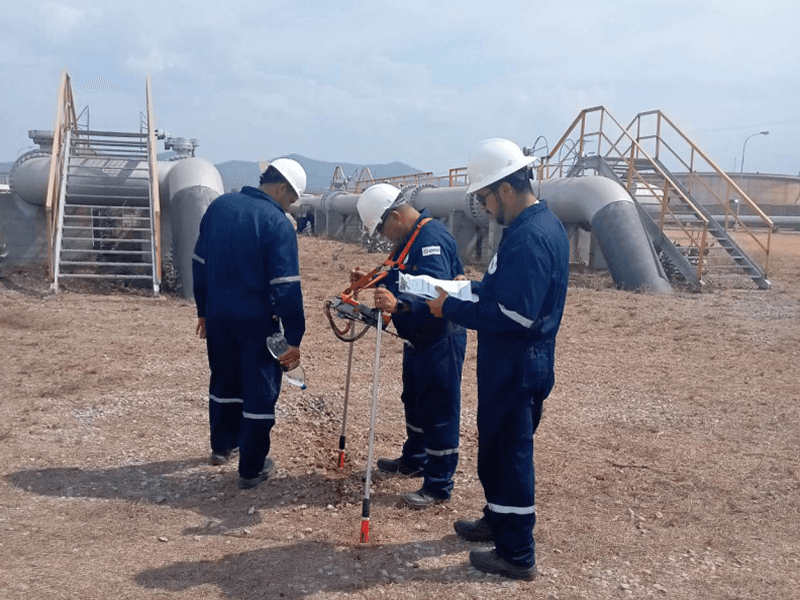
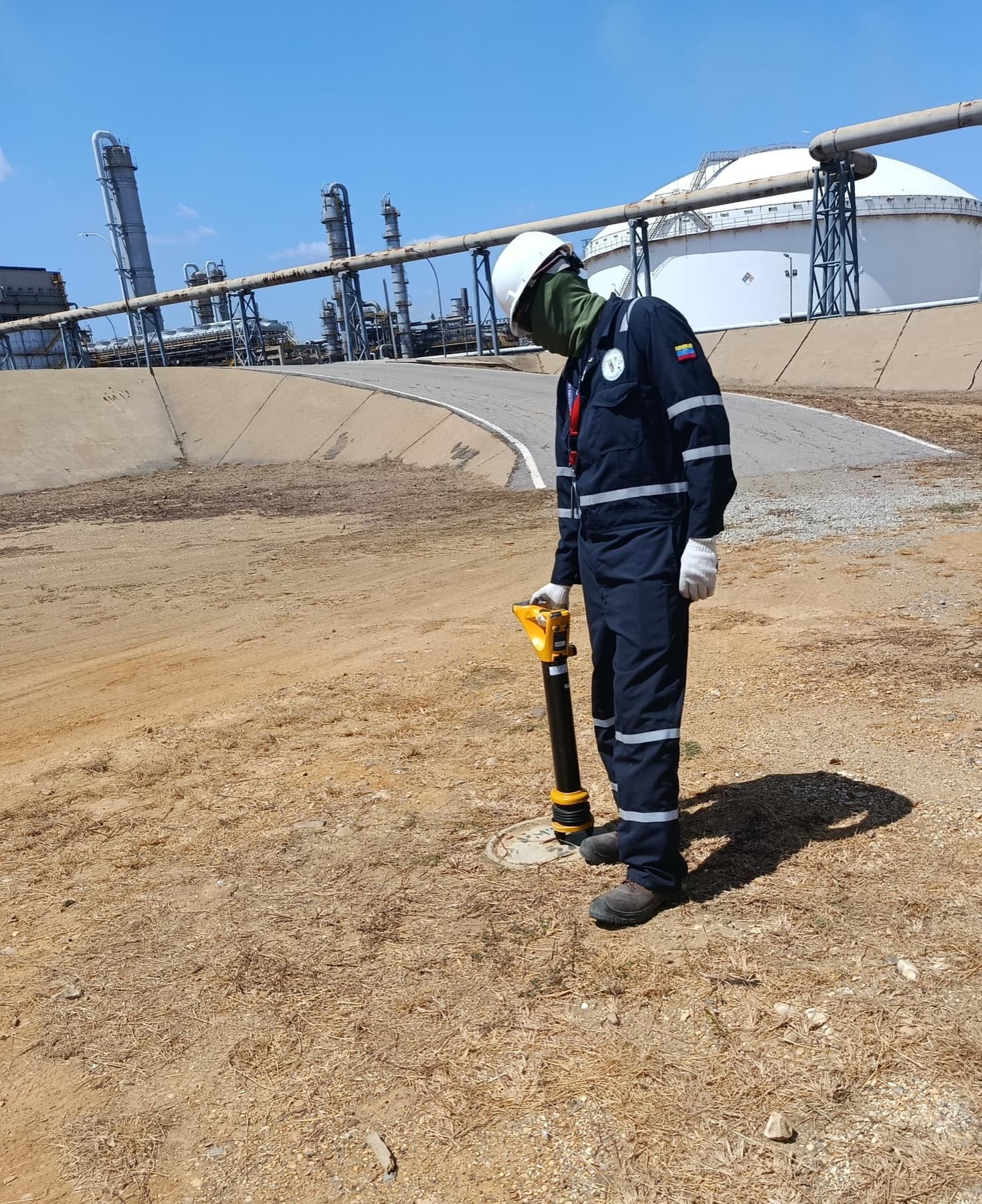
We design, install and monitor cathodic protection systems, and perform DCVG/CIPS surveys, ultrasonic testing and magnetic particle inspection to protect pipelines, tanks and structures for operators and contractors in the oil and industrial sectors.
Each area operates under its own national and international regulatory framework.

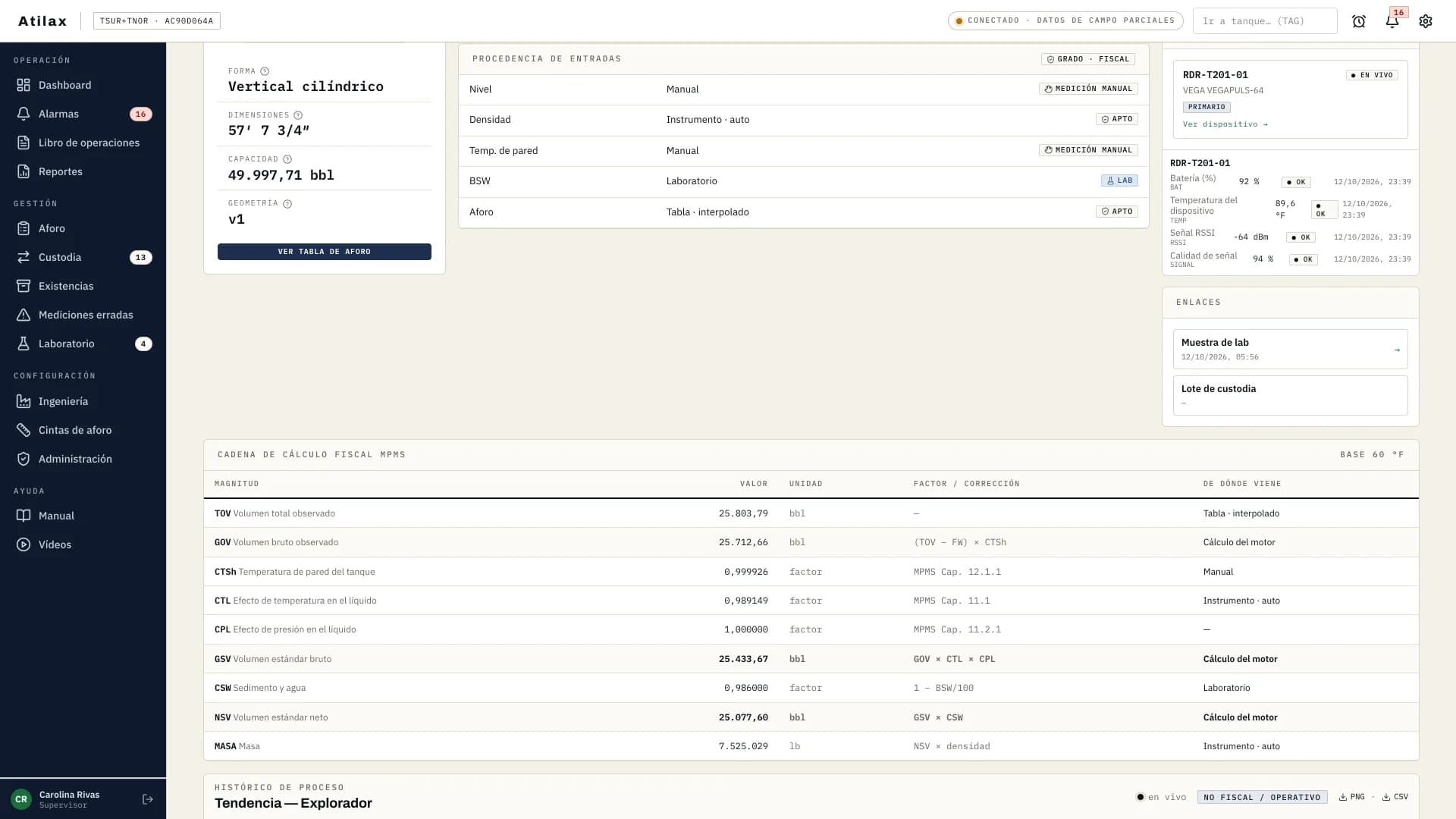
We don't resell platforms. We develop, install and operate our own monitoring solutions on the equipment you already have in the field.
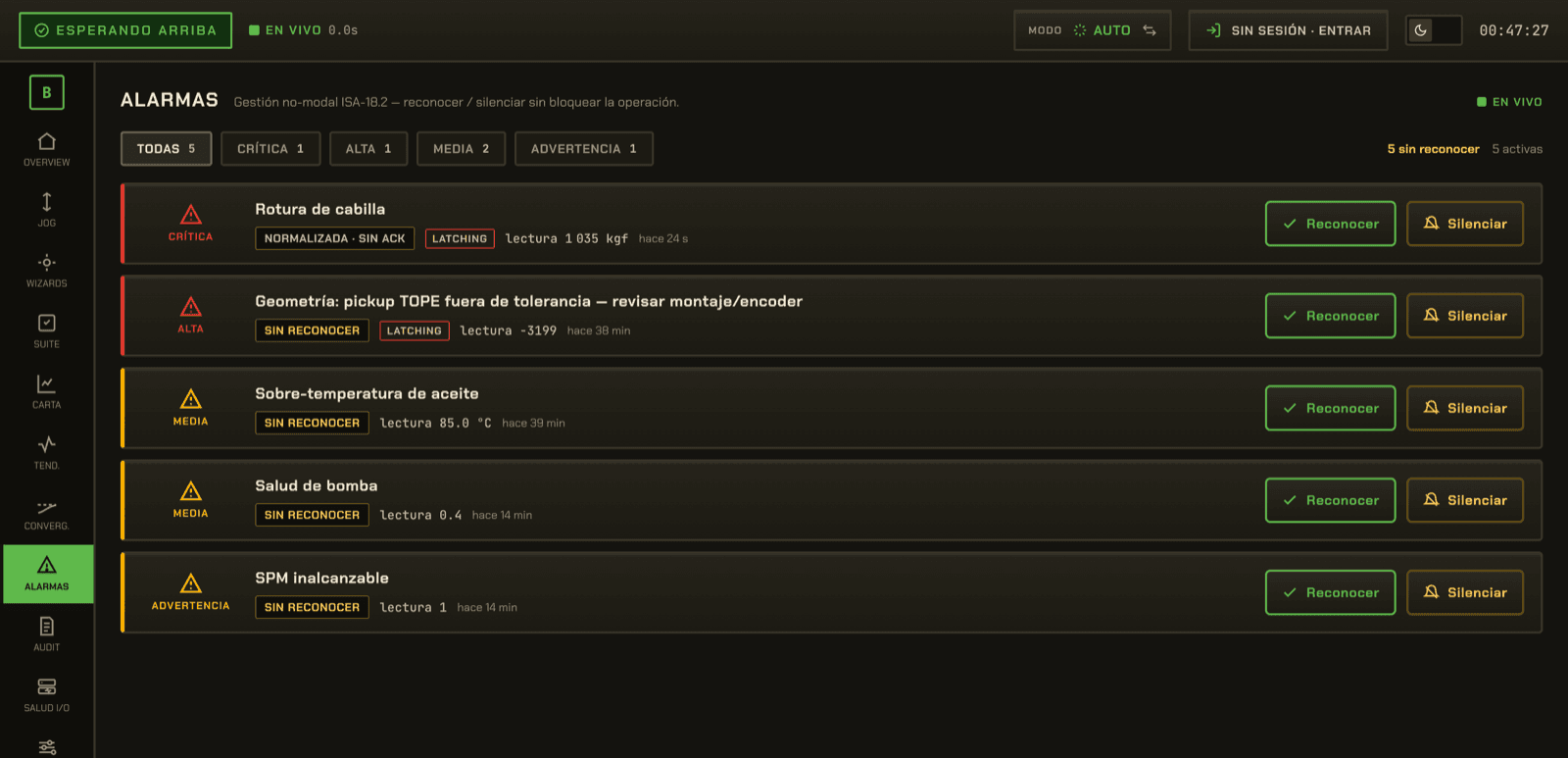
From the field to management, in real time.
Every statement on this page can be checked. It is the only serious way to choose an integrity contractor.
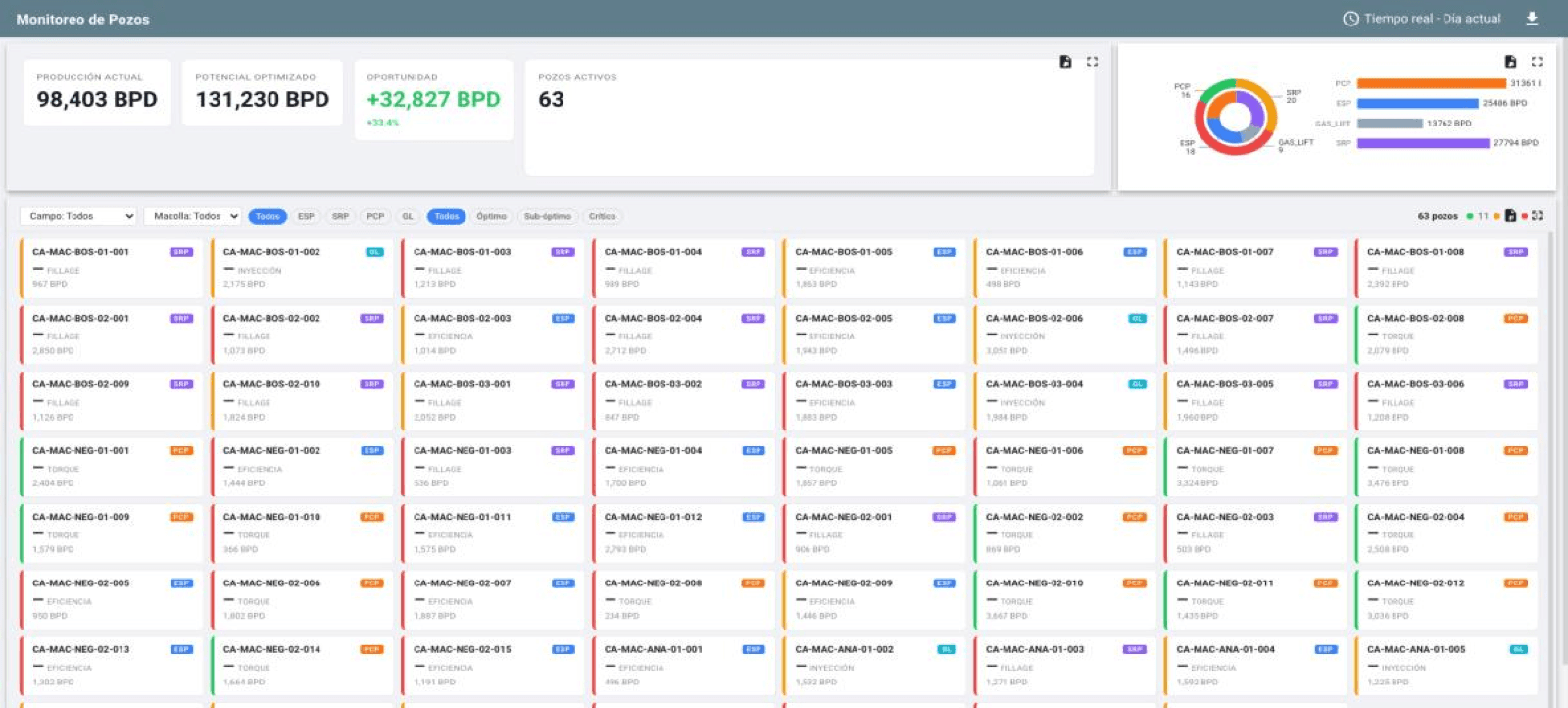
We instrument rectifiers and test points with telemetry and deliver dashboards with potential history. You detect a fault when it happens, not at the next scheduled inspection.
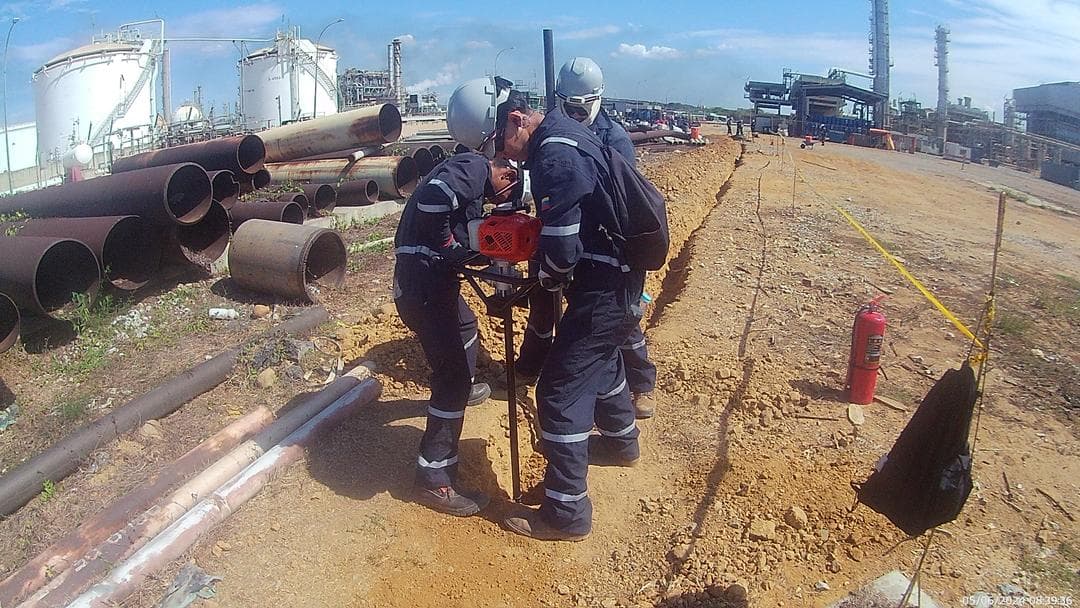
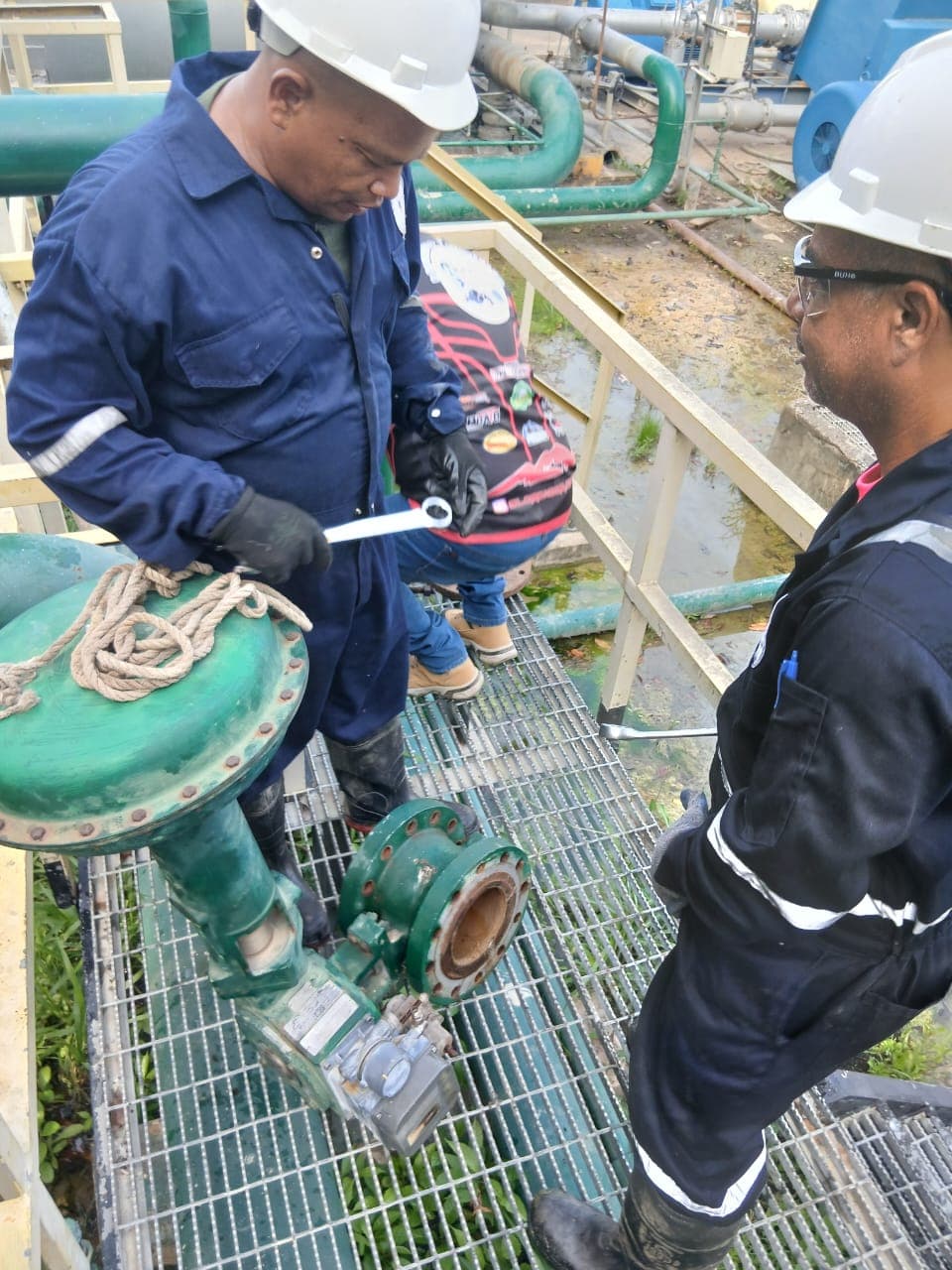
Every job is recorded with its scope, the applicable standard and its photographic record. You can review what we have done before hiring us.
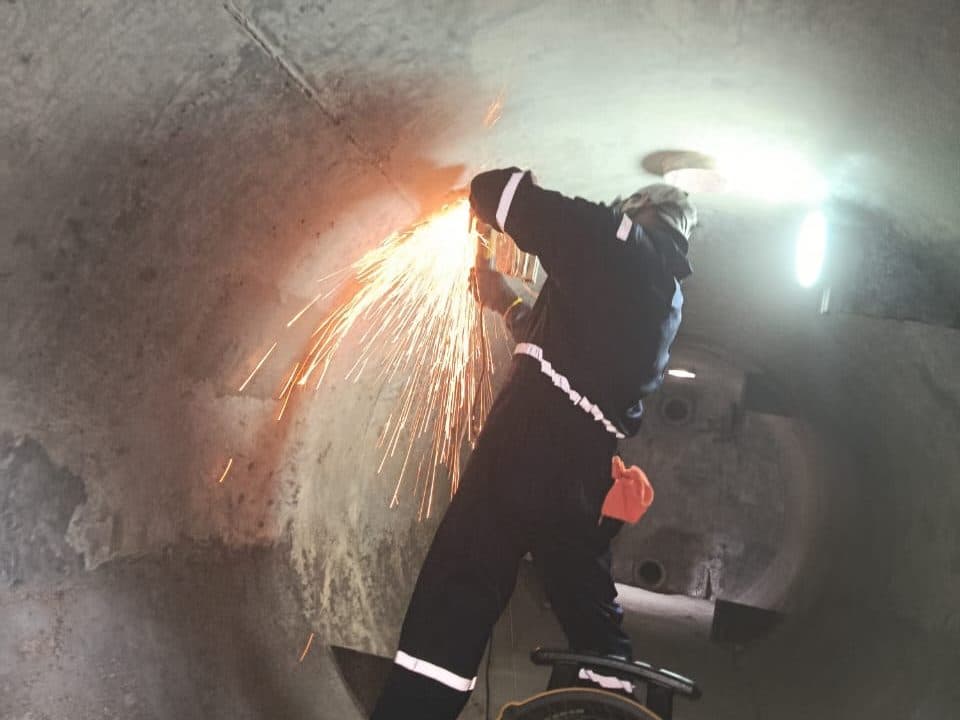
Cathodic protection, non-destructive testing, fire protection, geosynthetics and metal-mechanical works —plus our own monitoring technology— under a single vendor qualification. Fewer interfaces to coordinate during a plant shutdown.
We are registered with Venezuela's National Registry of Contractors (RNC), with our documentation in order to take part in the sector's bidding processes.
Representative work for clients in the industrial and oil sectors.
Our headquarters in Barcelona places us in the heart of eastern Venezuela's oil region, and we mobilize crews to any refining or petrochemical hub in the country.
Companies in the oil, petrochemical and industrial sectors that have trusted our services.
Each area works under the regulatory framework that applies to it. These are the standards our actual scope invokes.
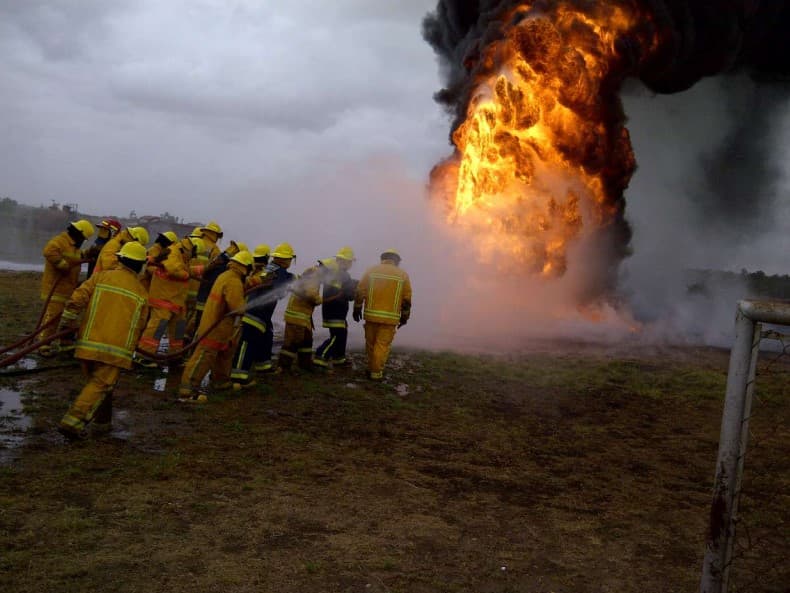
We operate under health, safety and environmental protocols on every project, with pre-job talks, job hazard analysis and certified protective equipment.
Technical answers to what really drives an integrity contract decision.
We apply the polarized potential criterion of −850 mV or more negative with respect to a copper/copper sulfate electrode (CSE), measured instant-off with the ohmic (IR) drop eliminated, in accordance with NACE/AMPP SP0169. When conditions justify it, we apply the 100 mV depolarization criterion. A potential measured with current applied, without eliminating the IR drop, does not demonstrate protection.
They measure different things and do not replace each other. CIPS (close interval potential survey) determines the level of cathodic protection along the pipeline, but does not locate coating defects. DCVG locates coating defects by voltage gradient, but does not indicate whether the system is protecting. They are complementary: within an ECDA, both are performed as indirect inspections.
The most widely used international reference is 49 CFR 192.465 (PHMSA, United States): protected pipe is tested at least once each calendar year at intervals not exceeding 15 months, and rectifiers are inspected six times each calendar year at intervals not exceeding 2.5 months. In Venezuela that regulation is not a legal obligation; it is adopted as good practice and adjusted to the operator's criteria and the criticality of the asset.
The choice depends on soil resistivity, total current required, the extent of the structure and the availability of electrical power on site. Galvanic anodes work well in low-resistivity soils and low current demands; impressed current prevails on extensive structures or in resistive soils. There is no universal answer: it comes from the resistivity study and the current demand calculation.
It is worth clarifying something that is often confused: cathodic protection certifications (AMPP CP1 Tester, CP2 Technician, CP3 Technologist, CP4 Specialist) and non-destructive testing certifications (ASNT Level I, II and III) are issued to individuals, not to companies. No company can be “AMPP certified”. Ask us for the current credentials of the team we would assign to your project and we will document them in writing.
Yes. We instrument rectifiers and test points with telemetry and deliver dashboards with potential history and equipment status. This reduces reliance on site visits to detect a fault and allows action before the next scheduled inspection.
Our base is in Barcelona, Anzoátegui State, in the heart of eastern Venezuela's oil region, and we mobilize crews to any refining or petrochemical hub in the country. Write to us with the location of your facility and we will confirm availability and mobilization time.
A technical report with raw and processed measurements, the applicable standard and acceptance criterion, the location of findings, photographic record and prioritized recommendations. An integrity service without a reconstructible report cannot be audited and, therefore, cannot support a maintenance decision.
Yes. We hold a current registration with the National Registry of Contractors and have our documentation in order to take part in bidding processes. We can send the certificate and any supporting documents your procurement department requires.
Contact us to assess your project. Our engineering team is available to advise you on the most suitable solution.
Request a service